
One-stop comprehensive solution provider
Antioxidants are compounds that help neutralize harmful free radicals, preventing oxidative stress and damage to your cells. Some studies have found that antioxidants could protect against many types of chronic disease, such as heart disease, cancer and diabetes.
Beets are naturally high in disease-fighting phytonutrients, antioxidants, vitamins and trace minerals. In fact, they are an excellent source of a certain type of phytonutrients called betalains, which have powerful antioxidant and anti-inflammatory properties and supply many of the health benefits of beets.Betalains also act as natural plant pigments and are responsible for providing beets with their vibrant color. In vitro studies have found that these potent pigments may help protect against the development of certain types of cancer and disease.
Plus, beet greens also contain a good amount of lutein and zeaxanthin, two carotenoids that play a central role in eye health and can reduce the risk of conditions like macular degeneration and cataracts.
In one animal model, beetroot supplementation was able to reduce oxidative stress and inflammation in rats. A human study also confirmed the anti-inflammatory properties of beets, showing that both cooked beets and beetroot juice were able to lower levels of inflammatory markers in people with high blood pressure.
One of the biggest benefits of beet juice is its ability to promote heart health. Beets are a rich source of dietary nitrates, which act as vasodilators to aid in improving blood flow and reducing blood pressure.
A human study published in the British Journal of Nutrition showed that beetroot juice helped significantly lower both systolic and diastolic blood pressure in participants after just 24 hours. Another small human study in 2017 found that beetroot juice helped lower levels of bad LDL cholesterol in people with uncontrolled blood pressure.
Beet juice benefits liver function, helping keep it working efficiently so it can continue to keep your body free of toxins. One animal model out of Poland showed that treating rats with beetroot helped prevent oxidative stress and reduced lipid peroxidation, a common marker of cell damage, by a whopping 38 percent.
Similarly, an animal model published in the journal Phytotherapy Research showed that this juice helped increase the levels of specific enzymes involved in detoxification.
There is evidence in humans, as well.
A pilot study published in Food Chemistry gave participants red beetroot juice for 14 days and observed changes in gut microbiome composition and stool biochemistry. After three days of juice consumption, there was an increase in Akkermansia muciniphila and a decrease in Bacteroides fragilis (both linked to gut health) compared to baseline.
Over the full 14 days, levels of betacyanin compounds and their fecal catabolites were detected, and these were correlated with increases in beneficial bacteria like Bifidobacterium and Coprococcus and inversely with Ruminococcus. Also noteworthy was a significant rise in (iso)butyric acid content in stool.
These shifts suggest that beetroot juice contributes to detox processes by modulating gut microbial populations and increasing production of short-chain fatty acids, which help in maintaining gut barrier health and facilitating excretion of potentially harmful metabolites.
(As a great detox drink, try making homemade kvass.)
As you get older, it’s natural to experience a decline in mental and cognitive function as conditions like Alzheimer’s disease and Parkinson’s become more prevalent.
However, because of their high content of dietary nitrates, there is some evidence that beetroot powder benefits brain health and may help protect against age-related cognitive decline. In fact, a human study published in Nitric Oxide even found that giving older adults a diet high in nitrates helped increase blood flow to certain areas of the brain involved in executive functioning.
Beets are rich in fiber, providing 3.8 grams in each cup. Fiber moves through the intestines undigested, adding bulk to the stool to help support regularity and promote better digestive health.
One review made up of five studies showed that increasing fiber intake resulted in an increase in stool frequency for people with constipation. Not only that, but other research also suggests that upping your fiber intake through foods like beets benefits digestive health in other ways as well and may be protective against conditions like diverticulitis, hemorrhoids and GERD.
Plus, as noted above, beets benefits include supporting the gut microbiome, a key factor in digestion.
Whether you’re a competitive athlete or casual gym-goer, beets have been shown to have a powerful effect on boosting performance and are one of the best foods for athletes. This is because nitrates have been shown to improve the efficiency of the mitochondria, which is the organelle responsible for generating energy for the cells in your body.
A human study in 2011 found that consuming beetroot juice significantly improved power output during a cycling time trial and enhanced performance by 2.8 percent. Another human study showed that dietary nitrate supplementation extended the time to exhaustion and increased tolerance to high-intensity exercise, showcasing the power of beets benefits for athletes.
Beets are loaded with fiber but low in calories, making them a great addition to the diet if you’re looking to shed a few extra pounds.
When you eat fiber, it moves very slowly through the digestive tract to help keep you feeling full, which can help support satiety and promote weight loss. According to one human study out of Boston, upping fiber intake by 14 grams per day led to a 10 percent decrease in daily caloric intake and increased weight loss by four pounds over four months.
After menopause, many individuals experience shifts in cardiovascular risk, bone density and metabolic function. Beets deliver nutrients like folate, potassium, magnesium, nitrates and antioxidants that may help support vascular health, maintain healthy blood pressure and mitigate oxidative stress during this life stage.
A randomized, double-blind, placebo-controlled, crossover clinical trial published in 2024 examined the effect of seven days of dietary nitrate supplementation via beetroot juice versus a nitrate-depleted placebo. Outcomes included resting macrovascular endothelial function measured by brachial artery flow-mediated dilation (FMD), with measurements also taken after ischemia-reperfusion (IR) injury to assess vascular resilience.
After the seven-day nitrate-rich beetroot intervention, the women showed a statistically significant increase in resting FMD compared to placebo, indicating improved endothelial function. However, the treatment did not significantly blunt the decline in FMD following IR injury in either early or late postmenopausal groups.
The study suggests that beetroot‐derived nitrate can improve basal vascular function in postmenopausal women within a short timeframe.
Raynaud’s phenomenon involves constriction of small blood vessels in extremities (such as the fingers and toes) triggered by cold or stress. Because dietary nitrates in beets can convert to nitric oxide (a vasodilator), they may help improve microvascular blood flow and reduce symptom severity in individuals with Raynaud’s.
Some anecdotal and small observational reports support vasodilator therapies for Raynaud’s. For example, in a double-blind, randomized, crossover trial of 23 individuals with Raynaud’s phenomenon, researchers compared the effects of nitrate-rich beetroot juice and nitrate-depleted beetroot juice over both acute (single dose) and chronic (14 days) supplementation.
They found that plasma nitrite concentrations rose under the beetroot-juice conditions, indicating greater nitric oxide availability. After 14 days of supplementation, there was significantly increased cutaneous vascular conductance in the thumb during and after mild cold exposure (i.e., better blood flow in response to cold) compared with baseline.
Additionally, measures of endothelial function improved, blood pressure (both systolic and diastolic) was reduced and markers of inflammation were more favorable.
Incorporating beetroot or nitrate-rich vegetables may provide mild symptomatic relief, but as with all dietary strategies, this should complement (not replace) medical management.
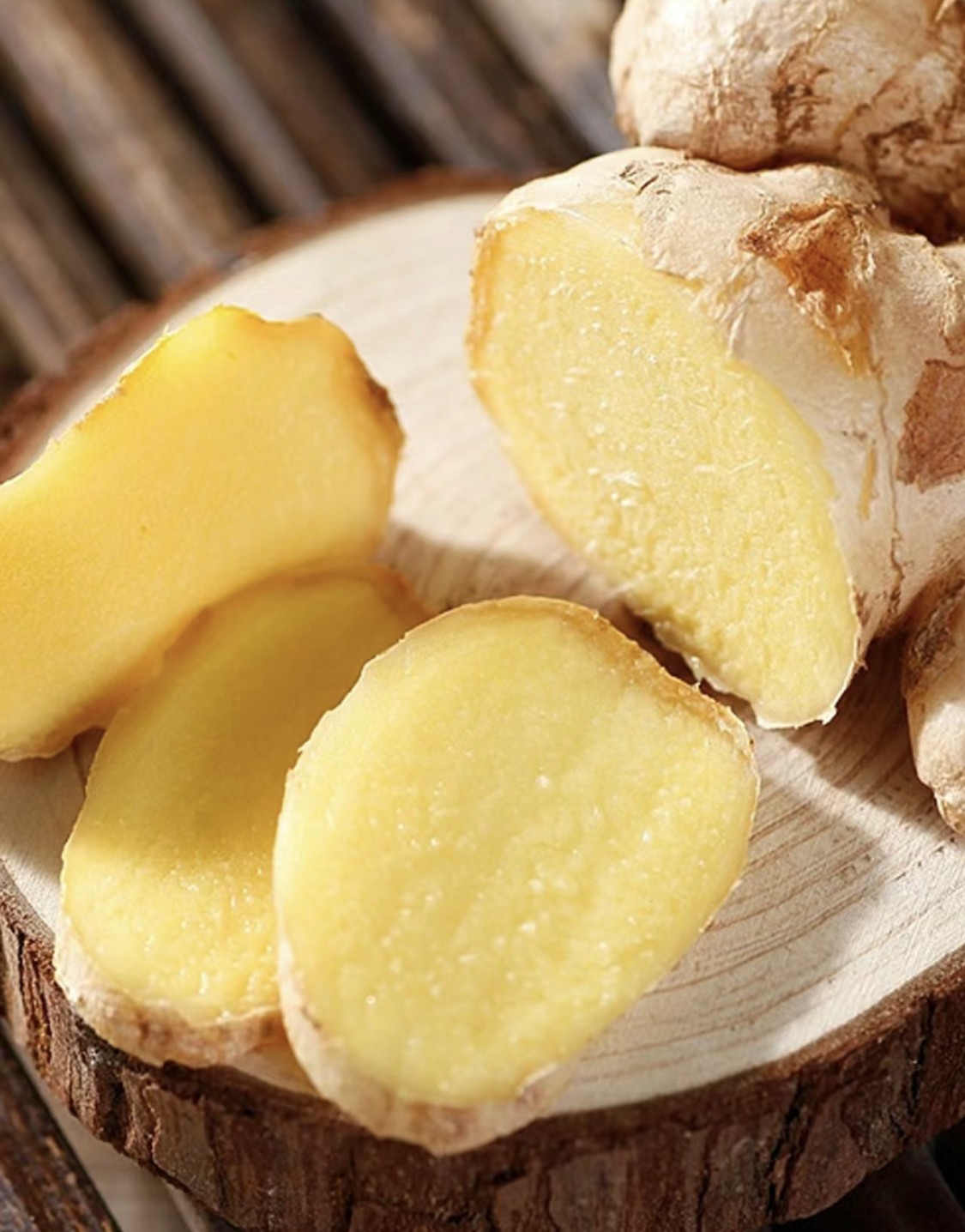
Ginger benefitsWhat are the health benefits of ginger? This spice contains a diverse array of many important compounds, vitamins and minerals — such as gingero···
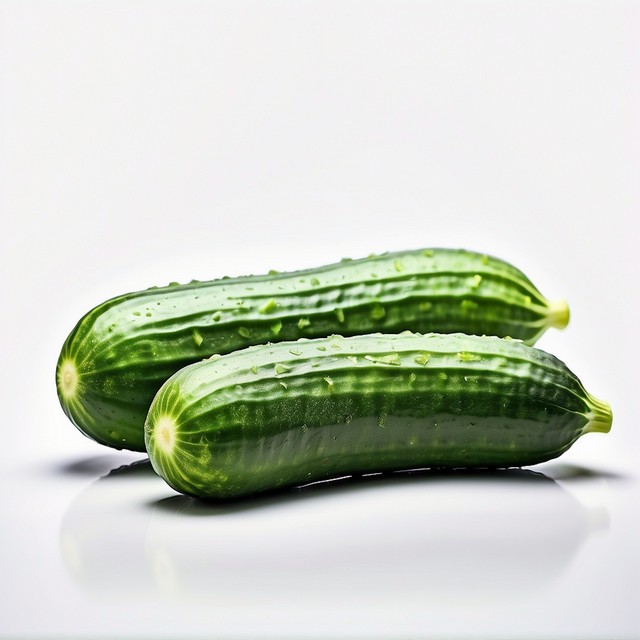
Cucumber nutrition factsThe cucumber (Cucumis sativus) is a widely cultivated “gourd” and member of the Cucurbitaceae plant family, along with other foods lik···
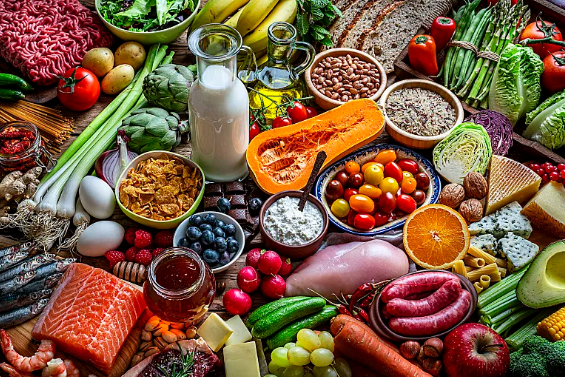
Benefits of eating the rainbowEating the rainbow provides a wide range of nutrients that support multiple aspects of health, including:Supports immune function ···